
What Home Builders in Central Virginia Know Before Construction Starts
Experienced home builders in central Virginia know that a successful home build starts long before the first wall is framed. The early planning stage can shape the cost, timeline, design, and long-term performance of the home. For homeowners in Lynchburg VA and the surrounding counties, that planning often begins with a close look at the land itself.
Central Virginia offers beautiful building sites, from wooded acreage to family land and rural lots with open views. Those same properties can also come with questions about access, slope, drainage, soil, utilities, septic systems, and county requirements. Understanding those details early helps homeowners avoid surprises later in the process.
The Land Usually Tells the First Part of the Story
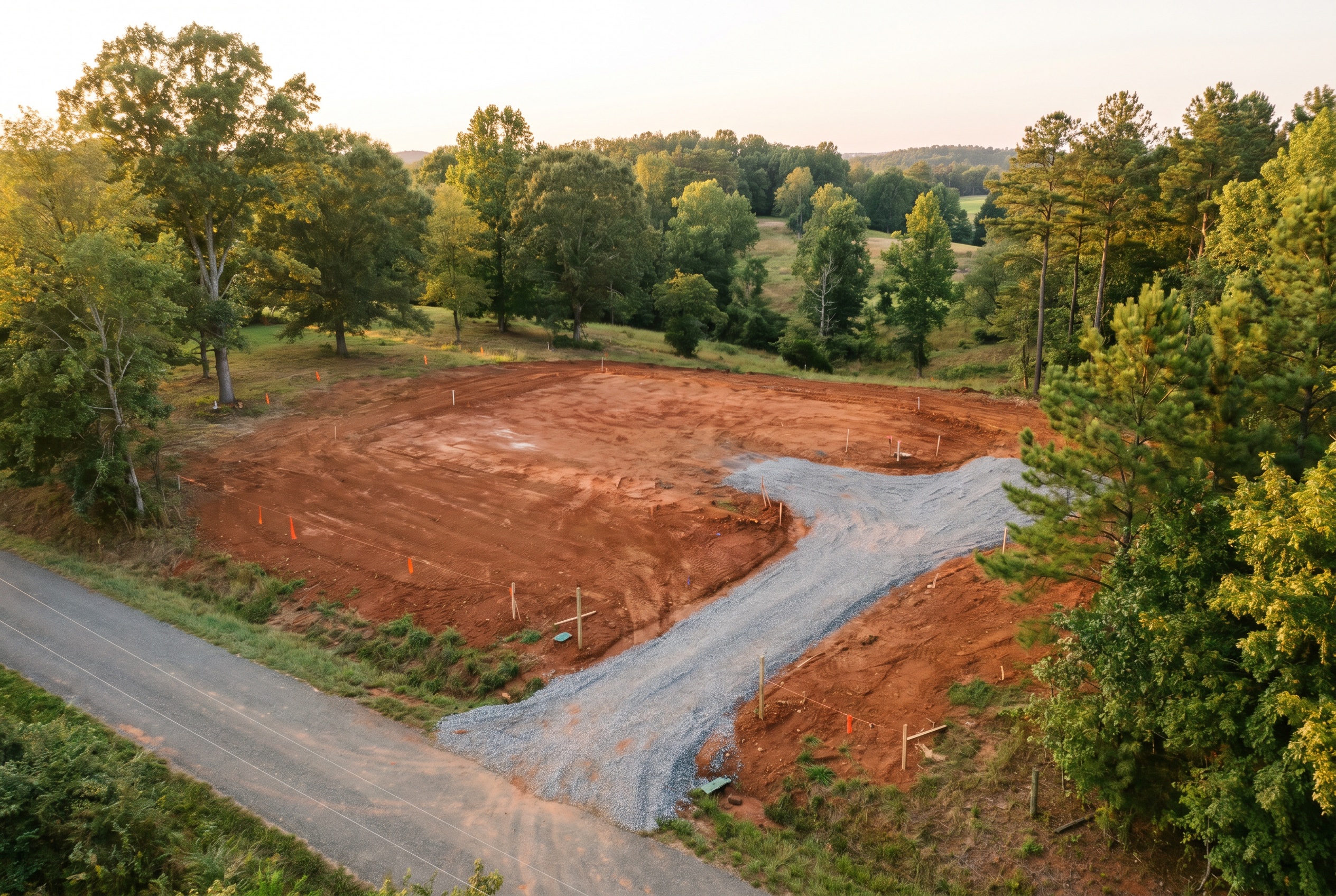
Before construction starts, builders need to understand what the property can realistically support. A flat, cleared lot in an established neighborhood is very different from a wooded parcel in Bedford County, Campbell County, or Amherst County.
Important site details may include the driveway location, clearing needs, grading, drainage paths, and whether the home will require a crawl space, slab, or basement. In areas with slopes or red clay soil, managing water movement is especially important. Poor drainage planning can create long-term problems around the foundation, driveway, and yard.
This is one reason many homeowners benefit from talking with a builder before finalizing land decisions. Craftsman Custom Home Builders offers guidance for homeowners who want to build on your land, including early evaluation of site conditions and development needs.
Permits, Septic, and Well Planning Can Affect the Timeline
Another factor that separates local experience from guesswork is understanding the permitting process. In Central Virginia, requirements can vary depending on the county, property type, and scope of work.
Some properties may need zoning approvals, entrance permits, land disturbance permits, septic approval, well planning, or other site-related documentation before the actual home construction begins. These steps are normal, but they need to be accounted for in the schedule.
For landowners, this is one of the biggest reasons to avoid planning only around the visible construction phase. A home may take shape quickly once crews are on site, but the planning and approval work before that point is just as important.
If you are still learning what building on rural land involves, this related article on building on your lot in Central Virginia explains more about turning land into a build-ready home site.
Good Planning Helps Prevent Budget Surprises
Many homeowners think of the home itself first: the floor plan, kitchen layout, bedrooms, finishes, and exterior style. Those choices matter, but site costs can also affect the overall budget.
Clearing trees, grading a driveway, installing septic, managing drainage, and preparing utilities can all influence the final number. When those items are not discussed early, they can become stressful later.
This is where a transparent planning process matters. Craftsman Custom Home Builders uses a No Surprise Pricing approach that helps homeowners make selections early and understand the total project cost before construction begins. That is especially helpful when building on land, where both the home design and site conditions need to be considered together.
For a deeper look at how pricing clarity helps during a build, read this article on why No Surprise Pricing changes the building-on-your-lot process.
The Right Home Plan Should Fit the Property
A home plan should not be chosen in isolation. The best layout for a wide, open lot may not be the best fit for a narrow wooded property or a sloped site with a potential basement.
Experienced builders consider how the home will sit on the land, how natural light will enter the main living spaces, where outdoor areas make the most sense, and how the driveway and utilities will connect. In some cases, small plan adjustments can make the home more practical, more attractive, and better suited to the site.
Craftsman Custom Home Builders offers custom home plans that can be modified to fit a homeowner’s needs, budget, and property. That flexibility is especially valuable in Central Virginia, where no two lots are exactly alike.
Local Building Knowledge Matters
When comparing home builders in central Virginia, it helps to look beyond the finished photos. A strong portfolio is useful, but the planning process behind those homes matters just as much.
Local builders understand how regional land conditions affect construction. They also know how to guide homeowners through decisions that may not be obvious at first, such as whether a basement makes sense, how much clearing may be needed, or how a particular home plan might need to adapt to the property.
The National Association of Home Builders notes that planning, site preparation, and builder experience all play important roles in successful home construction. You can explore more homeowner resources through the National Association of Home Builders.
For examples of completed homes in the region, visit the Craftsman Custom Home Builders portfolio.
What Homeowners Should Do Before Construction Begins
Before construction starts, homeowners should have a clear understanding of their land, their home plan, their budget, and the process ahead. That does not mean every detail has to be stressful. It means the right questions should be answered early.
If you are considering building a home in Central Virginia, the team at Craftsman Custom Home Builders can help evaluate your land, review home plans, and provide transparent pricing before construction begins. You can start the conversation through the contact page.
FAQ
What should homeowners do before building a home in Central Virginia?
Homeowners should evaluate the land, understand permitting requirements, review site development costs, and choose a home plan that fits the property before construction begins.
Why does land evaluation matter before building?
Land evaluation helps identify grading, drainage, access, septic, well, and utility needs. These factors can affect both the cost and timeline of the project.
Do home builders in central Virginia help with permits?
Many full-service builders help guide homeowners through permitting requirements, especially when the project involves rural land, septic systems, wells, or site development.
Can a home plan be changed to fit the land?
Yes. Many custom home plans can be modified to better fit the property, improve functionality, and account for slope, views, driveway placement, or outdoor living areas.

