
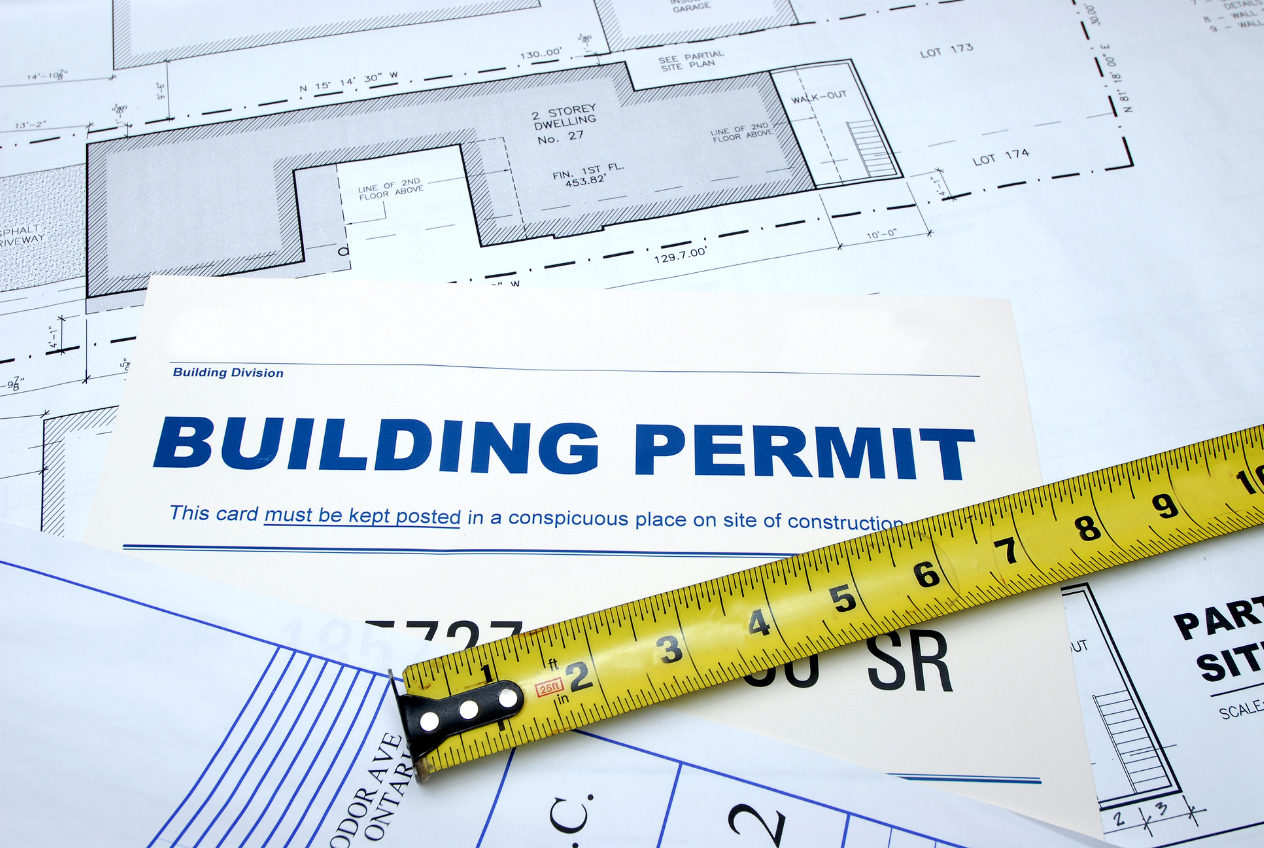
Understanding Building Permits Virginia Homeowners May Need
If you are planning a custom home, understanding building permits Virginia requires is an important early step. Permits are not just paperwork at the end of the planning process. They can affect your timeline, site preparation, driveway access, septic planning, well placement, inspections, and even where the home can sit on the land.
In Central Virginia, permit needs can vary depending on the county, the property, and the scope of work. A wooded rural lot in Bedford County or Campbell County may involve different approvals than a lot in an established neighborhood near Lynchburg VA. That is why it helps to involve an experienced builder before construction starts.
The Main Building Permit
The primary permit for a new home is the residential building permit issued by the local building department. Virginia follows the Virginia Uniform Statewide Building Code, often called the USBC. The USBC contains the building regulations that apply when constructing a new building, adding to an existing building, or making certain repairs or changes.
Virginia’s administrative code states that a permit must be obtained from the building official before beginning regulated work. You can review the permit application section of the Virginia Administrative Code here: 13VAC5-63-80, Section 108 Application for permit.
For a new custom home, the building permit process typically involves submitting plans, site information, contractor details, and any supporting approvals required by the locality. Once approved, inspections occur at key stages of construction.
Zoning and Setback Approval
Before a building permit can be issued, the property usually has to meet local zoning requirements. Zoning determines how land can be used and where structures may be placed.
For homeowners, this means checking setbacks from property lines, road frontage, easements, lot coverage, driveway location, and any subdivision or deed restrictions. These rules are especially important when buying land, because a lot that looks buildable may have limitations that affect the home’s size, placement, or layout.
If you are still evaluating land, this related article on what to check before buying land to build a house explains why zoning, access, drainage, and utility planning should happen early.
Septic and Well Permits
Many homes in Central Virginia are built on land that is not connected to public water or sewer. In those cases, the property may need a private well and an onsite sewage system.
The Virginia Department of Health explains that properties without public sewer or public water require permitting for onsite sewage systems and private wells. In many cases, the owner or agent must obtain approval before the county will issue a building permit. You can review VDH guidance here: Virginia Department of Health well and septic application process.
This step can affect where the home is placed, where the driveway goes, and how much usable space remains on the property. Septic planning is one reason a builder should review the land before a final home plan is chosen.
Entrance or Driveway Permits
If a new driveway connects to a state-maintained road, or if work will take place within the public right of way, a VDOT land use permit may be required. VDOT explains that a land use permit regulates work performed in the right of way of a highway in the state highway system. You can read more through the Virginia Department of Transportation land use permits page.
This can matter for rural properties where a new entrance, culvert, gravel driveway, or road frontage work is needed. Driveway access should be considered before construction begins, since it affects both site logistics and long-term usability.
Land Disturbance, Erosion, and Stormwater Permits
Building a home often means clearing trees, grading land, installing a driveway, preparing a building pad, and moving soil. Depending on the amount of land disturbed, the project may need erosion and sediment control approval or stormwater permit coverage.
The Virginia Department of Environmental Quality notes that construction activities disturbing one acre or more, or smaller areas that are part of a larger common plan of development, generally require Construction General Permit coverage. DEQ also notes that local erosion and sediment control approvals may be required. You can review the state guidance here: Virginia DEQ stormwater construction guidance.
Some localities may have lower thresholds for land disturbance permits, so homeowners should verify requirements with the county or city where the property is located.
Trade Permits and Inspections
In addition to the main building permit, a new home may require trade permits for electrical, plumbing, mechanical, gas, or other specialized work. These permits help ensure that the systems behind the walls are installed safely and in accordance with applicable code.
Inspections are usually required at different stages, such as footing, foundation, framing, rough-in systems, insulation, and final completion. The exact inspection list may vary by locality and project details.
For homeowners, the main takeaway is simple: permits and inspections should be built into the timeline from the beginning. They are part of a normal, code-compliant construction process.
Why Permit Planning Matters Before Construction Starts
Permit planning is one of the reasons local building experience matters. A builder familiar with Central Virginia can help homeowners understand which approvals may apply before finalizing plans, pricing, and site preparation.
That is especially important when building on rural land with septic, well, driveway, grading, or drainage considerations. Craftsman Custom Home Builders helps homeowners think through the full process, from land evaluation and home plans to transparent pricing and construction management.
If you are planning to build on your property, learn more about the build on your land process. You can also read this related article on what home builders in Central Virginia know before construction starts.
Getting Started With the Right Guidance
Because Virginia building permit requirements depend on the property and locality, homeowners should always confirm details with the local building department, health department, and any other relevant agencies before moving forward.
If you are considering building a home in Central Virginia, the team at Craftsman Custom Home Builders can help evaluate your land, review home plans, and provide transparent pricing before construction begins. You can start the conversation through the contact page.
FAQ
What permits are required to build a house in Virginia?
Most new homes require a residential building permit. Depending on the property, homeowners may also need zoning approval, septic and well permits, driveway or entrance permits, land disturbance approvals, stormwater coverage, and trade permits.
Who issues building permits in Virginia?
Building permits are typically issued by the local city or county building department. Other agencies may be involved for septic, wells, stormwater, driveway entrances, or environmental approvals.
Do I need a septic permit before getting a building permit?
If the property is not served by public sewer, septic approval is often needed before the county will issue a building permit. Requirements should be confirmed with the local health department.
Can a builder help with building permits virginia requirements?
Yes. A full-service builder can help coordinate the planning process, identify likely permit needs, and guide homeowners through the steps required before construction begins.

