
Why Custom Home Building Costs Need Clear Pricing From the Start
Custom home building costs are one of the biggest questions homeowners have before starting a new build. Most people want to know what the home will cost, what is included, and how much the number could change once the process begins. Those are fair questions, especially when building a custom home in Central Virginia, where land conditions, site work, finishes, and permits can all affect the final price.
Transparent pricing helps homeowners make better decisions before construction starts. Instead of waiting for surprises to appear later, a clear pricing process helps connect the home plan, land, materials, and selections into one realistic budget.
Why Custom Home Pricing Can Be Confusing
Building a custom home is different from buying an existing house with a set listing price. A custom home involves many moving parts, including the floor plan, foundation, framing, roofing, windows, mechanical systems, cabinetry, flooring, fixtures, site work, permits, and utility needs.
Two homes with the same square footage can have very different costs. A simple layout on a flat, prepared lot may price differently than a more complex home on wooded or sloped land. Porches, basements, rooflines, garages, driveways, septic systems, wells, and finish selections can all change the budget.
That does not mean pricing has to feel mysterious. It means the builder needs to explain what is included, what depends on the land, and what decisions should be made before the estimate is treated as final.
The Problem With Vague Allowances
One of the most common reasons custom home pricing becomes frustrating is the use of allowances. An allowance is a placeholder amount for an item that has not been fully selected yet, such as cabinets, countertops, lighting, appliances, flooring, or plumbing fixtures.
Allowances can make an estimate look clean on paper, but they may not reflect what the homeowner actually wants. If the allowance for flooring is lower than the product the homeowner later selects, the price increases. If the cabinet allowance does not match the kitchen design, the price changes again.
By the time several selections exceed their allowance, the original budget may no longer feel reliable. This is one of the reasons homeowners sometimes hear stories about custom builds costing far more than expected.
Selections Made Early Help Control the Budget
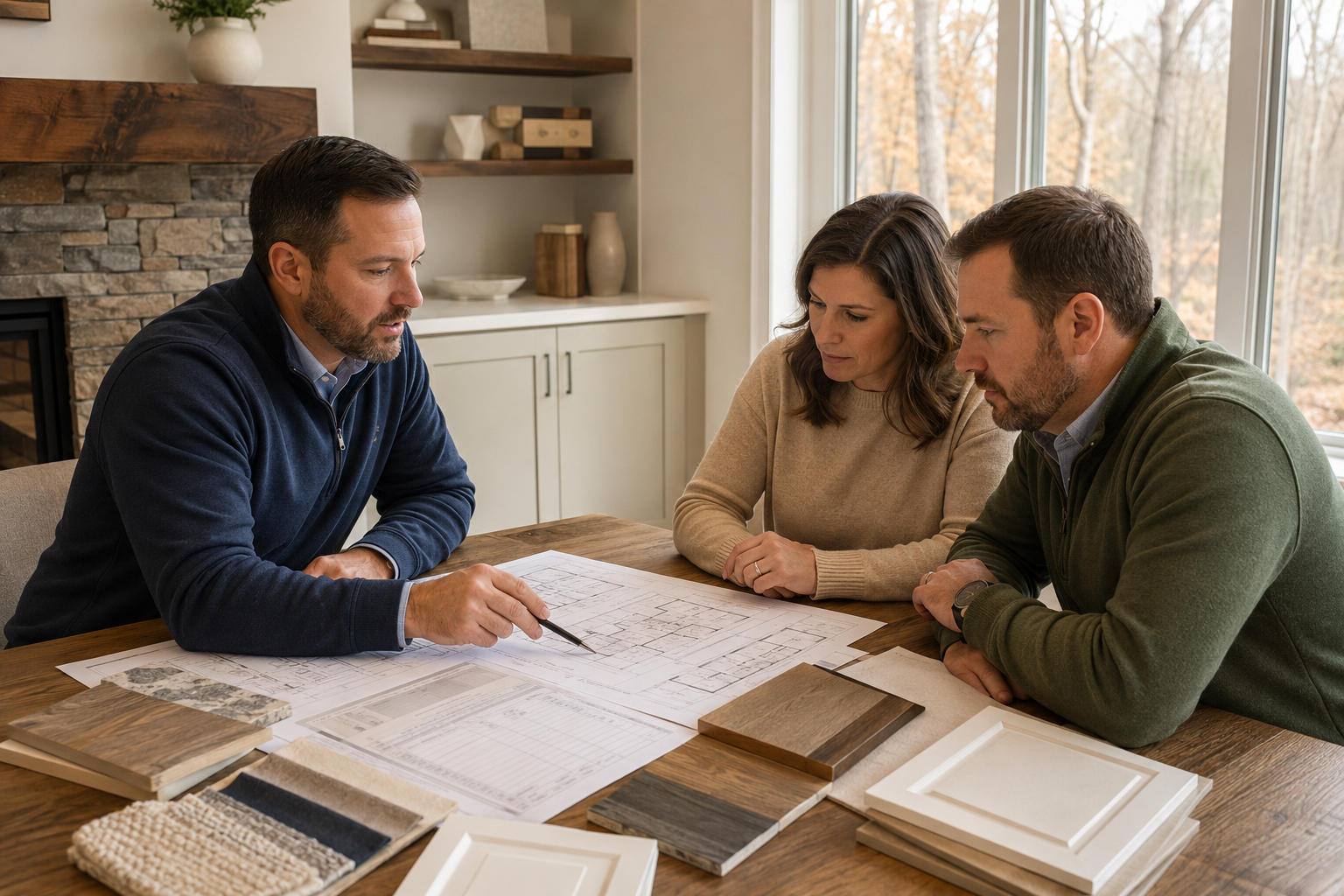
The best way to understand custom home building costs is to make important selections before construction begins. When homeowners choose finishes, fixtures, materials, and design details early, the builder can price the home more accurately.
This does not remove every possible variable from the process. Land conditions, weather, code requirements, and site development can still affect a project. But early selections reduce one of the biggest sources of uncertainty: not knowing what the homeowner will actually choose later.
Craftsman Custom Home Builders uses a No Surprise Pricing approach to help homeowners make decisions upfront. Instead of relying on loose finish allowances, homeowners work through selections before construction begins so the total price is clearer from the start.
For a broader look at the major cost factors involved in building, this related article explains what affects the cost to build a house in Virginia.
Land Conditions Can Affect the Final Number
In Central Virginia, land is often one of the biggest budget variables. A rural property may require clearing, grading, driveway preparation, septic planning, well installation, drainage work, or utility coordination before the home itself can be built.
Red clay soil, wooded lots, slopes, and long access drives are all common in the region. These conditions can be manageable, but they need to be evaluated early.
This is why the home plan and the land should be reviewed together. A basement may make sense on one sloped lot but add unnecessary cost on another. A driveway may be simple on one parcel and more involved on another. Septic placement may affect where the home can sit.
If you are planning to build on land you already own, Craftsman Custom Home Builders can help evaluate site conditions before construction begins. Learn more about the build on your land process.
The Floor Plan Also Shapes the Budget
Square footage matters, but layout complexity matters too. A compact, efficient floor plan may cost less to build than a home with the same square footage but more corners, complicated rooflines, larger spans, multiple porches, or specialty spaces.
Homeowners often have room to adjust a plan before construction begins. A larger pantry, a first-floor primary suite, a home office, a screened porch, or a basement may be worth the investment. Other changes may be simplified to keep the budget aligned.
The key is understanding how those decisions affect the full project cost. Craftsman Custom Home Builders offers custom home plans that can be modified to fit the homeowner’s needs, land, and budget.
You can also read more about how to customize custom home floor plans before building.
Transparent Pricing Makes Comparing Builders Easier
When homeowners compare builders, the lowest estimate is not always the best comparison point. What matters is what the estimate includes.
One builder’s number may include certain site work, materials, and finish selections. Another may use allowances or leave important items out until later. Without a clear breakdown, two estimates can look similar while covering very different scopes of work.
A transparent estimate should help homeowners understand what is included, what assumptions are being made, and which decisions could affect the price. It should also give them a chance to ask better questions before signing a contract.
Good Pricing Conversations Reduce Stress Later
Building a home involves hundreds of decisions. Some are exciting, like choosing kitchen finishes or exterior colors. Others are more technical, like drainage, foundation type, utility access, and permit requirements.
When pricing is clear early, those decisions feel less chaotic. Homeowners can understand tradeoffs, prioritize what matters most, and make changes before the project is already in motion.
This is especially helpful for families building for long-term needs. The goal is not just to get through construction. The goal is to build a home that works well for daily life, fits the land, and stays aligned with the budget.
Planning a Custom Home With Fewer Surprises
Clear pricing does not happen by accident. It comes from early planning, realistic land evaluation, thoughtful plan review, and detailed selections before construction begins.
When researching custom home building costs, the next step is to look at your specific property, goals, home plan, and finish preferences. You can explore completed homes in the Craftsman Custom Home Builders portfolio to get ideas for layouts and finishes.
If you are considering building a home in Central Virginia, the team at Craftsman Custom Home Builders can help evaluate your land, review home plans, and provide transparent pricing before construction begins. You can start the conversation through the contact page.
FAQ
What affects custom home building costs the most?
Major cost factors include the land, site work, square footage, floor plan complexity, foundation type, materials, finishes, permits, utilities, and labor.
Why do custom home estimates change?
Estimates can change when finish selections exceed allowances, site conditions require additional work, plans are modified, or important costs were not included clearly at the beginning.
How can homeowners avoid surprise costs?
Homeowners can reduce surprises by evaluating land early, choosing finishes before construction begins, reviewing the estimate carefully, and working with a builder who uses transparent pricing.
Are allowances bad in custom home building?
Allowances are not automatically bad, but they can create confusion if they do not reflect the homeowner’s actual selections. Clear upfront choices usually make the budget easier to understand.


Latest Posts

Building vs Buying a House: Why a Custom Home Can Be the Better Fit
Building vs Buying a House: What Central Virginia Homeowners Should Consider When comparing building vs buying a house, most homeowners...