
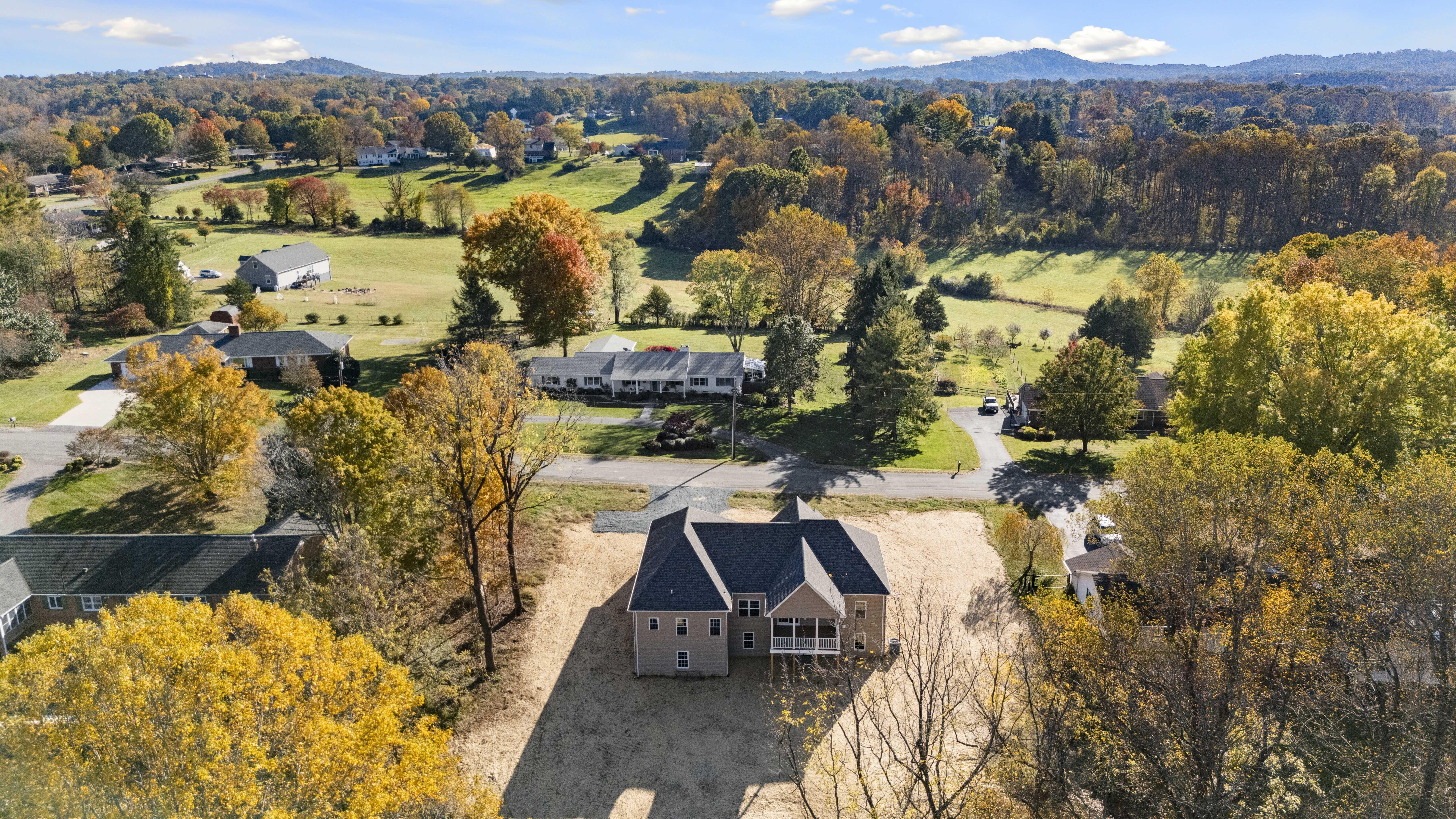
What to Know Before Buying Land to Build a House
Buying land to build a house can be exciting, especially if you have found a property with the views, privacy, or location you have been hoping for. But before you commit, it is important to understand whether that land is actually ready for the home you want to build.
In Central Virginia, many beautiful properties come with practical questions about access, slope, drainage, utilities, septic systems, wells, zoning, and site preparation. Those details can affect both the cost and timeline of your custom home. Checking them early can help you avoid buying land that creates unexpected challenges later.
Start With Zoning and Building Restrictions
Before buying land, confirm that the property can legally support the type of home you want to build. Zoning rules, subdivision restrictions, setbacks, easements, and deed restrictions can all affect what is allowed on the lot.
For example, a property may look like a perfect homesite but have limitations on driveway placement, building size, accessory structures, or where the home can sit. In rural areas, there may also be agricultural, environmental, or road access considerations.
These issues are not always obvious when walking the property. A builder, surveyor, real estate professional, or local planning office can help you understand what applies before you move forward.
Check Access to the Property
Access is one of the first practical details to evaluate. Can vehicles, construction crews, concrete trucks, delivery trucks, and emergency services reach the building site safely?
Some lots already have an established driveway entrance. Others may need a new entrance, culvert, gravel driveway, or grading work before construction can begin. If the land is on a private road, you may also need to understand maintenance responsibilities and access rights.
For homeowners in places like Bedford County, Campbell County, Amherst County, or Appomattox County, long driveways and rural access are common. That does not mean the land is unsuitable, but it does mean the access plan should be part of the budget from the beginning.
Look Closely at Slope, Drainage, and Soil
Central Virginia has plenty of rolling land, wooded lots, and red clay soil. These conditions can make for beautiful homesites, but they can also affect site preparation.
A sloped lot may be a good fit for a basement or walkout design, while another slope may require more grading than expected. Poor drainage can create problems around the foundation, driveway, and yard if it is not planned for early.
Before buying, pay attention to low spots, standing water, steep access points, erosion, and how water appears to move across the property. It is also wise to ask whether the lot has had any soil evaluation or perc testing completed.
For a deeper look at what builders evaluate before construction begins, this related article explains what home builders in Central Virginia know before construction starts.
Understand Septic, Well, and Utility Needs
One of the biggest differences between buying land in a developed neighborhood and buying rural property is the question of utilities.
If public water and sewer are available, you will need to understand connection requirements and fees. If they are not available, the property may need a well and septic system. That can affect where the house is placed, where the driveway goes, and how much of the land can be used.
Septic approval is especially important. A lot may be attractive, affordable, and well-located, but if it cannot support the required septic system, it may not be buildable in the way you expect.
The Virginia Department of Health provides information about onsite sewage systems and private wells for homeowners. You can review those resources here: Virginia Department of Health onsite sewage and water services.
Make Sure the Home Plan Fits the Land
When buying land to build a house, it is easy to imagine the finished home first. But the land and the house plan need to work together.
A wide ranch plan may need more usable width than a wooded or narrow lot can comfortably provide. A sloped property may be better suited to a basement or adjusted foundation. A home with large windows or outdoor living areas may need to be positioned carefully to make the most of natural light and views.
Craftsman Custom Home Builders offers custom home plans that can be modified to fit your property, budget, and lifestyle. That flexibility can make a major difference when building on land in Central Virginia, where no two properties are quite the same.
Plan for Site Development Costs
The purchase price of the land is only one part of the total cost. Site development can include clearing trees, grading, driveway installation, drainage work, utility connections, septic, well, permits, and other preparation before the home itself is built.
These costs vary from property to property. A lower-priced piece of land may not be the better deal if it requires extensive site work. On the other hand, a more expensive lot may already have access, utilities, or clearing that helps simplify construction.
This is why early evaluation is so helpful. Craftsman Custom Home Builders works with homeowners who want to build on your land, helping them think through site conditions before construction begins.
Ask a Builder Before You Buy
One of the best steps you can take before purchasing land is to involve a builder early. A builder can help you look beyond the view and think about what it will actually take to build there.
That does not mean every question will be answered immediately. But it can help identify possible concerns, estimate development needs, and determine whether the lot is a practical fit for your goals.
If you are considering buying land to build a house in Central Virginia, the team at Craftsman Custom Home Builders can help evaluate your land, review possible home plans, and provide transparent pricing before construction begins. You can start the conversation through the contact page.
FAQ
What should I check before buying land to build a house?
Check zoning, access, slope, drainage, soil conditions, utilities, septic or well needs, deed restrictions, setbacks, and whether your desired home plan fits the property.
Should I talk to a builder before buying land?
Yes. A builder can help you understand site development needs, possible cost factors, and whether the land is a good fit for the type of home you want to build.
Does every piece of land support a septic system?
No. Some properties may not pass the required soil or perc testing for the septic system needed. Septic suitability should be checked before purchasing rural land.
Can a home plan be adjusted to fit the land?
Yes. Custom home plans can often be modified for slope, lot width, driveway access, views, foundation type, and the homeowner’s preferred layout.

